About
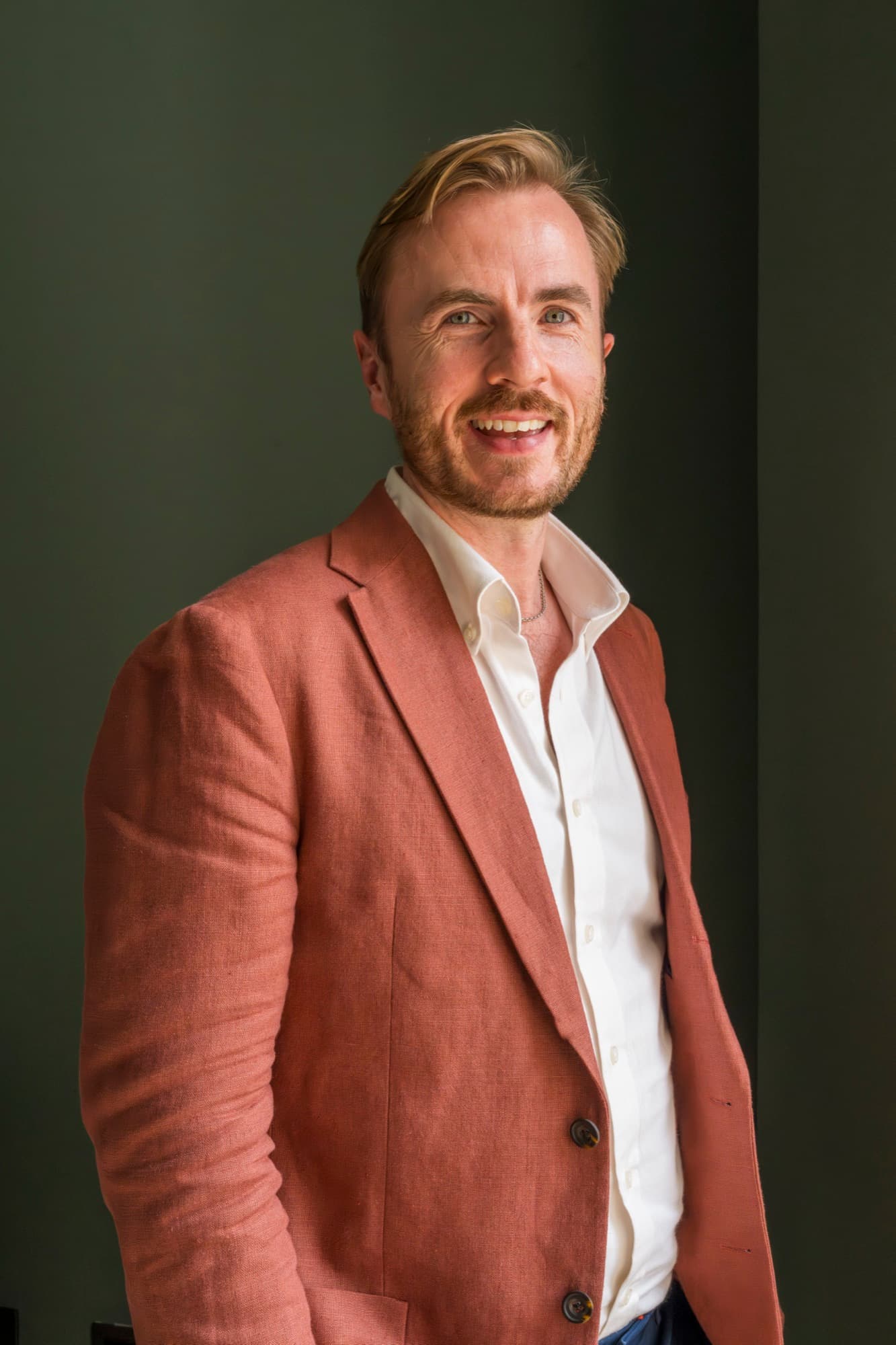
Dr Ben Davis
Most men struggle to find a doctor they can be fully honest with, about their health, their sex lives, their relationships, and the things they have never said out loud.
Men’s health sits between urology, endocrinology, cardiology and psychiatry, and no one brings them together — before you even get to the psychological and relational side of it. So many men get half an answer and a referral: a prescription that helps a bit, then an appointment six months later with someone who starts the history from the beginning.
I trained to bring all of that together, rather than referring you around it. I have been in practice since 2013. I am a GP and men’s health physician, a sexual medicine specialist, and a COSRT-registered psychosexual and relationship therapist, working at 23 Devonshire Place in Marylebone and still working in NHS general practice in Hackney.
I hold Membership of both the Royal College of Physicians and the Royal College of General Practitioners, and a Fellowship of the European Committee of Sexual Medicine, one of the highest specialist qualifications in sexual medicine in Europe. As far as I am aware, I am the only clinician in the UK who combines all three, alongside COSRT registration as a psychosexual and relationship therapist, with a practice focused on men’s health.
I work with men of all sexualities and relationship structures: straight, bi, gay and queer. As a gay man myself, I do not need the health concerns of gay and bisexual men explained to me before we can get to the problem.
How I think about a problem
The first consultation is an hour, and most of what makes it worth an hour is refusing to stop at the first plausible explanation.
Fatigue, low mood and low libido are the symptoms of a great many things. The ones that get missed when a low testosterone reading arrives early and closes the question are not obscure: sleep apnoea, depression, thyroid disease, anaemia, alcohol, a relationship in difficulty. Testosterone is one answer among several, and it should be diagnosed properly rather than assumed.
It runs the other way too. An erection is an honest signal: it reports on your arteries, your hormones, your history, your fear and how safe you feel with the person beside you. What it does not do is make clear which one is the problem. I regularly see men who were given four Viagra a month in their fifties and had a preventable cardiac event in their sixties. The erection was what got treated. The arteries were what it had been reporting on.
Why I do not work for a testosterone clinic
Most testosterone clinics, online or not, are built around subscription prescribing, so the financial incentive is to diagnose deficiency and to keep you on a monthly prescription. That works well for revenue. It does not always work well for men. Not everyone with fatigue, low libido and low mood has testosterone deficiency as the main cause. Sometimes it is untreated sleep apnoea, or coeliac disease, or anaemia from a bowel cancer.
I have worked inside the bigger online testosterone clinics earlier in my career, and I have been approached more than once about senior clinical roles at large providers. I said no. When you are running a subscription model there is pressure, however subtle, to fit a man into the box that produces a prescription.
What brought me back to independent practice was the men I could not help properly inside it: men who had been on TRT for years without their symptoms ever resolving, whose testosterone had been optimised over and over while the real problem was psychological, relational, or something else entirely.
The therapy, and what EMDR is for
Being able to prescribe and to do the therapy is the unusual part, and the practical difference is straightforward: nothing has to be handed between two clinicians who never speak, and you only tell the story once. Where the answer turns out not to be medical, that work happens in the same room, with the same person, without a referral.
My psychosexual therapy training was at the Contemporary Institute of Clinical Sexology, and I work with Acceptance and Commitment Therapy, Compassion Focused Therapy, and EMDR.
EMDR is the one men ask about least and are most surprised by. Eye movement desensitisation and reprocessing was developed for trauma, and it earns its place here because some difficulties are held in place by a memory rather than by an artery. A man can understand perfectly well that he is safe, that his partner is not judging him, that one bad night years ago means nothing, and his body will carry on responding as though none of that were true. That is not a failure of insight. It is what an unprocessed memory does, and it is why so many men describe the problem as being in the body. Reprocessing it does not erase what happened. It takes the charge out, which is often enough for everything else to start working.
What the practice covers
General practice and internal medicine
Complex and sensitive health concerns, cardiovascular and metabolic health, hormonal health and cancer screening.
Sexual medicine
Erectile dysfunction, low desire, delayed and premature ejaculation, painful sex, performance anxiety, compulsive sexual behaviour, and sexual difficulties after cancer treatment.
Psychosexual and relationship therapy
Psychosexual and relationship therapy alongside medical care rather than instead of it, for individuals and couples.
Why men usually arrive here
Many of my patients have already seen other doctors, sometimes several, and either did not feel properly heard or were handed a prescription without anyone asking a second question.
Where investigations are needed I can arrange blood tests, cardiac assessment, imaging and specialist referrals. You can read more about how an appointment actually works.
Qualifications
MA (Cantab) MBBS PhD MRCP(UK) MRCGP DFSRH DipM FECSM RegCOSRT
- MA (Cantab) in medical sciences and social and political sciences, University of Cambridge
- MBBS with distinction in clinical practice, UCL
- PhD in population health, focused on men’s emotional and sexual health, UCL and the London School of Hygiene & Tropical Medicine
- MRCP(UK), Royal College of Physicians
- MRCGP, Royal College of General Practitioners
- FECSM, Fellow of the European Committee of Sexual Medicine
- RegCOSRT, registered psychosexual and relationship therapist
- DFSRH, Diploma of the Faculty of Sexual and Reproductive Healthcare
How patients rate the care
Verified patient reviews, collected and published by Doctify. They update themselves as new reviews arrive, and nothing here is selected by me.
Understand what’s really going on before you treat it.
In person in Marylebone, central London, or remote by video. No referral needed.
Booking and availability