Men’s health. GP, sexual medicine specialist and psychosexual therapist
Understand what's really going on before you treat it.
I'm a GP, a sexual medicine specialist and a qualified psychosexual therapist. As far as I am aware, I'm the only UK clinician trained in all three, focused on men's health. So we can work out together what is medical, what is psychological, and what to do about it.
Straight, gay and bi men. Men who aren’t sure. One clinician, for whatever you bring.
Verified patient reviews, collected and published by Doctify. They update themselves as new reviews arrive, and nothing here is selected by me.
Most men have thought about how to explain what’s going on.
Some have never said it out loud to anyone, including their partner. Some have carried it for years. Some have already been rushed, dismissed, or handed a prescription by someone who didn’t ask a second question.
You don’t need to find the right words. However it comes out is fine. This is one of the most private areas of anyone’s life to put into words, I have heard a very wide range of it, and you are very unlikely to surprise me. You won’t be judged, and we have the time.
A minute with me
Read what I say
Hi, I’m Dr Ben Davis. I’m a GP specialising in sexual medicine and men’s health, and I’m a psychosexual and relationship therapist. I help men with a broad range of sexual difficulties, from erectile dysfunction, low libido and premature ejaculation, to men recovering after cancer.
I’m dual trained, as a doctor and physician and as a sex therapist, which means I can work out what the cause is, whether that’s vascular, hormonal, or psychological and relational. So whether you need TRT or EMDR, I can get to the root of it and find a way forward for you.
So whatever you’re struggling with, if you’ve had difficulty finding help, do reach out and I’d be glad to help you.
What I help with
A routine check is as welcome as something you have carried for years.
Sexual difficulties
Erectile dysfunction, low libido, premature and delayed ejaculation, performance anxiety, pain during sex. Whether it started last month or a decade ago.
Testosterone and hormones
Proper assessment before treatment, not a prescription on a single blood test. Fatigue, low mood, and recovery after anabolic steroid use.
Sex, desire and identity
Psychosexual therapy for individuals and couples. Compulsive sexual behaviour. Questions about desire or sexuality that don’t have an easy label.
Sex after cancer treatment
Recovering sexual wellbeing after prostate and other cancer treatment, including what that means specifically for gay and bi men, insertive and receptive.
Sexual health
STI testing, HIV prevention with PrEP, vaccinations, treatment, and straightforward sexual health advice. A routine check is as welcome as a complicated problem.
General men’s health
Heart and metabolic health, weight, diabetes, blood pressure, sleep, ADHD, anxiety and depression, including the sexual side effects of medication you are already on.
How an appointment actually works
- 01
A comprehensive first appointment
An hour, so there is room for a full exploration of the problem and the history behind it, and for an examination where that is useful. I arrange any blood tests or imaging directly.
- 02
The whole picture, not one slice
Hormones, cardiovascular and metabolic health, medication, mood, ADHD, relationships, and your erotic and sexual world. These interact, and looking at one in isolation is how men end up with four opinions and no explanation.
- 03
A shared understanding
I’ll tell you what I think is going on and how I got there, and I want to hear what you make of it — the ideas and concerns you came in with. We agree on the picture before we think about a way forward.
- 04
Then, and only then, treatment
Medication, psychotherapy, testosterone, EMDR, a change to something you are already taking, a referral, or sometimes simply knowing that nothing is wrong.
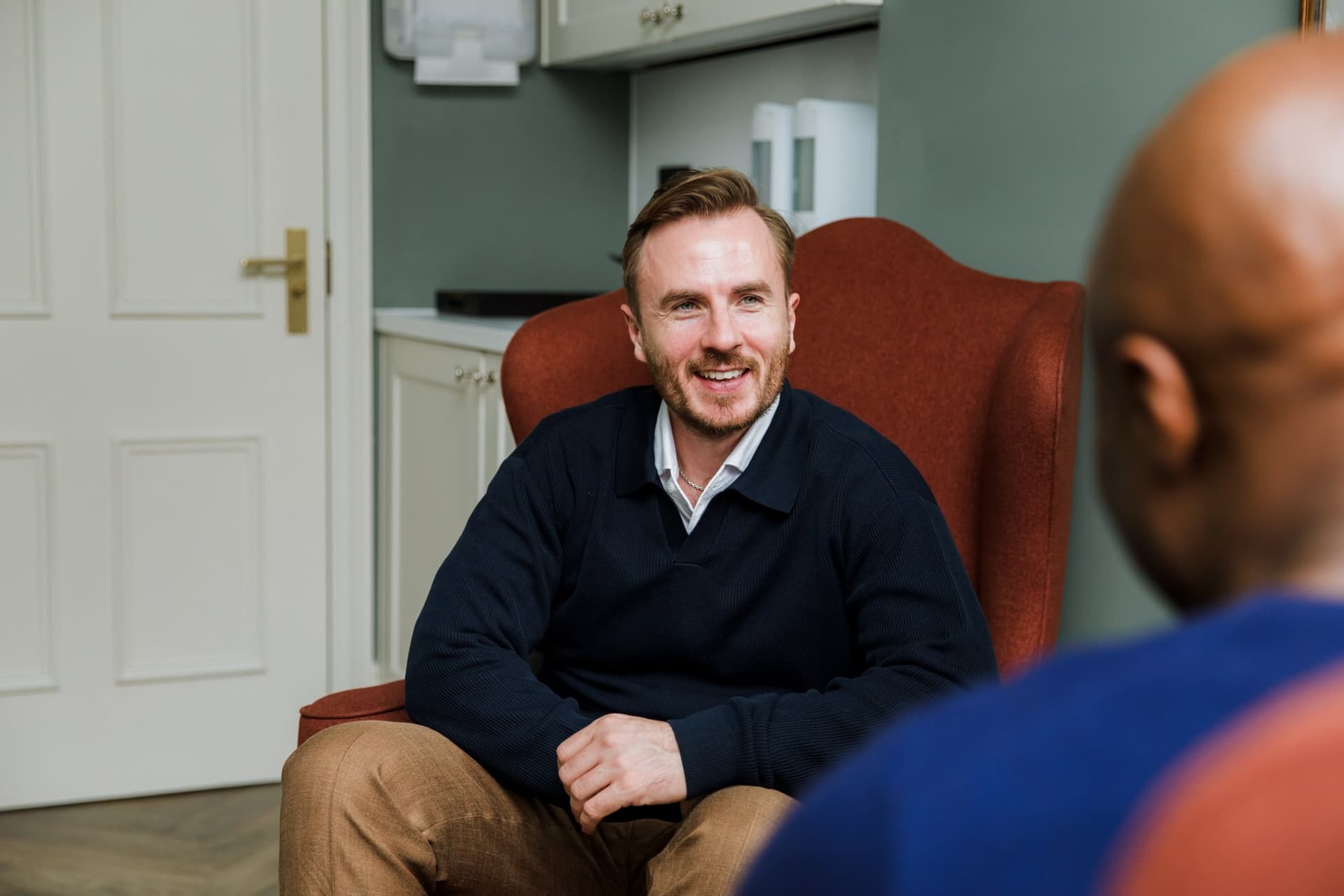
You’re in capable hands
- Dual-qualified as a doctor and a psychosexual therapist
- Fellow of the European Committee of Sexual Medicine
- Committee member, British Society for Sexual Medicine
- Still working in the NHS alongside private practice
Writes and comments for







An exceptionally intuitive, pragmatic and perceptive doctor who looks beyond laboratory results to consider the psychological and wider contextual factors influencing health. One of the best medical consultations I have ever had.
What it costs, and what you get for it
A first consultation is £500 for a full hour: one clinician holding the medical, psychological and relational picture together, rather than three appointments that never quite join up. Follow-ups are £150 to £500, charged by the time you need.
No GP referral needed. In person in Marylebone, or by video, for first appointments as well as follow-ups. Some international insurers cover this. Most UK insurers do not cover sexual difficulties, so check with yours before you book.
Fees and booking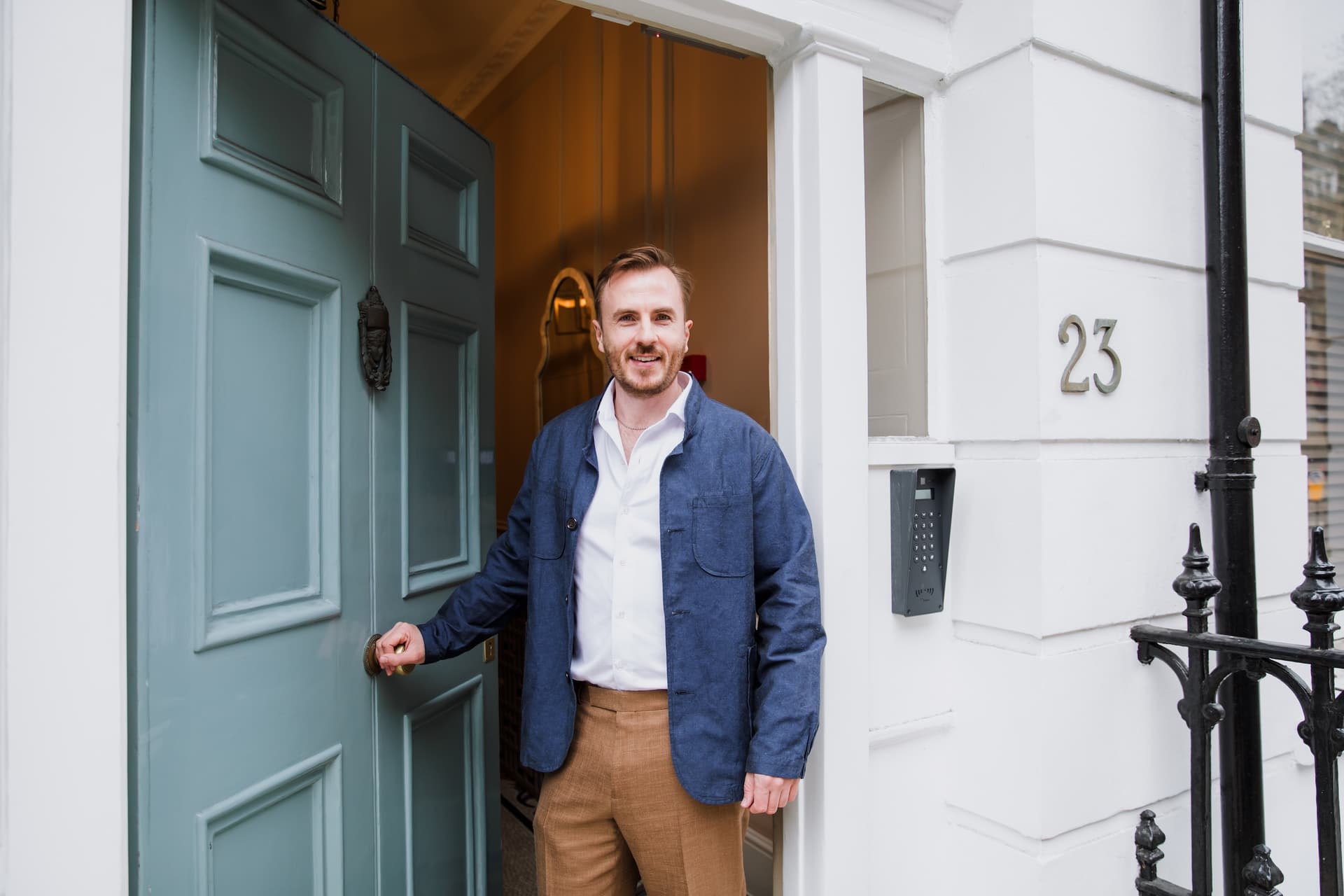
Hear me talk about this
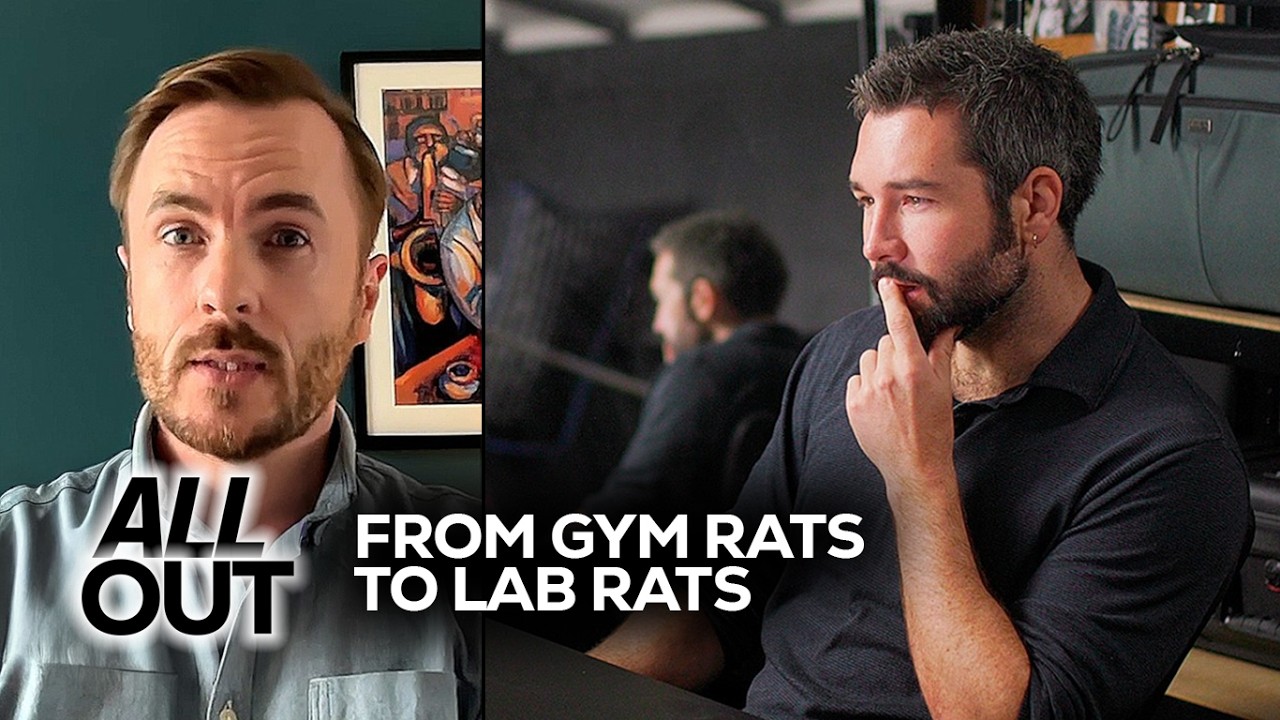
All Out with Jon Dean
Peptides: gay men's doctor on why you should think twice
Watch on YouTube

All Out with Jon Dean
Everything TRT: can a man at 60 get the sex drive of a 21 year old?
Watch on YouTube
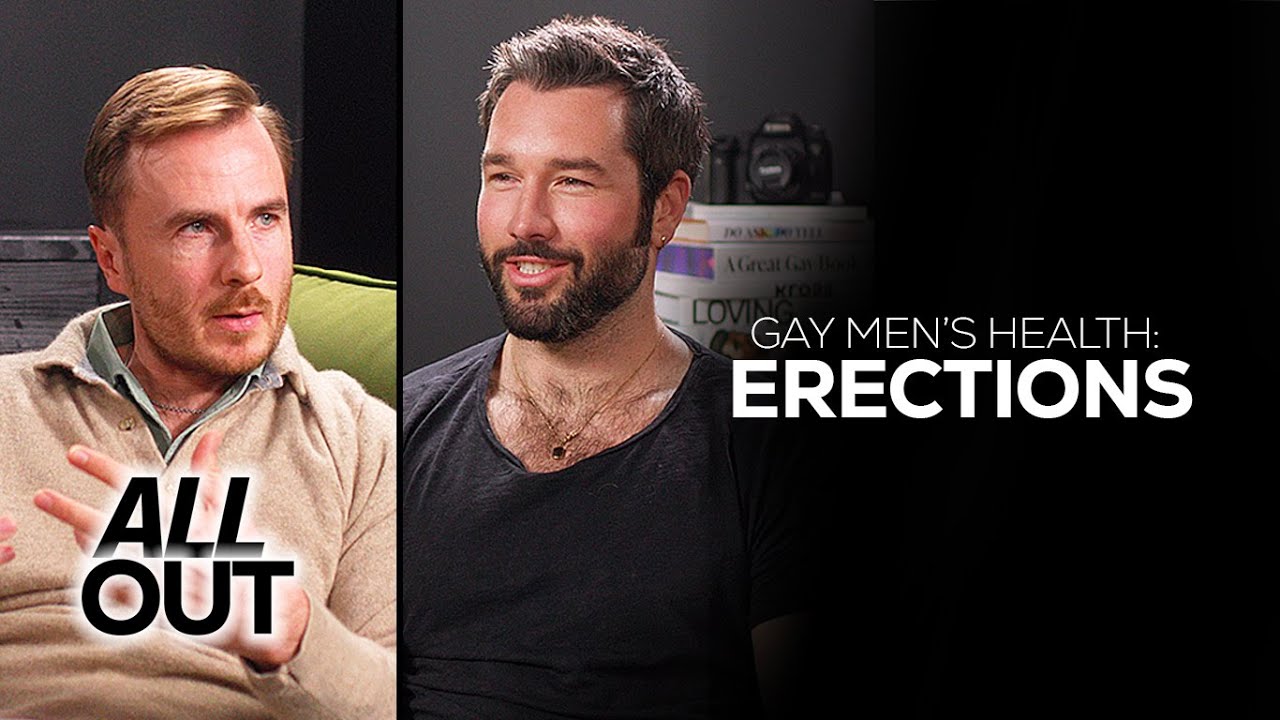
All Out with Jon Dean
How to protect your erection and get hard for life
Watch on YouTube